
In general, I think I had a pretty good childhood. Or, at least I have found a way to minimize or delete things that weren’t as good. But doesn’t everyone do that to a certain extent? I was lucky enough to live in a beautiful community. Hydrangeas the size of your head in these huge yards that looked more like school academies than someone’s house. I had a few nice friends and no cell phones. We spent time with our cousins- and they have to like you! GenX example of free range.

Nobody knew they were doing it.
That’s the part that keeps hitting me. The people who handed me the things that kept my brain from betraying itself — the riding instructors, the soccer coaches, the lab director at UAB who let a teenager start washing beakers and end up doing tissue culture — none of them were implementing a support plan. There was no IEP. There was no accommodation letter. There was no diagnosis. There was just: here is a child, here is what she needs, and somehow, improbably, the right things appeared.
I didn’t know I was AuDHD. My parents didn’t know. The school didn’t know. But my nervous system knew, and apparently it had advocates I didn’t realize I had. And that doesn’t make sense, yet.
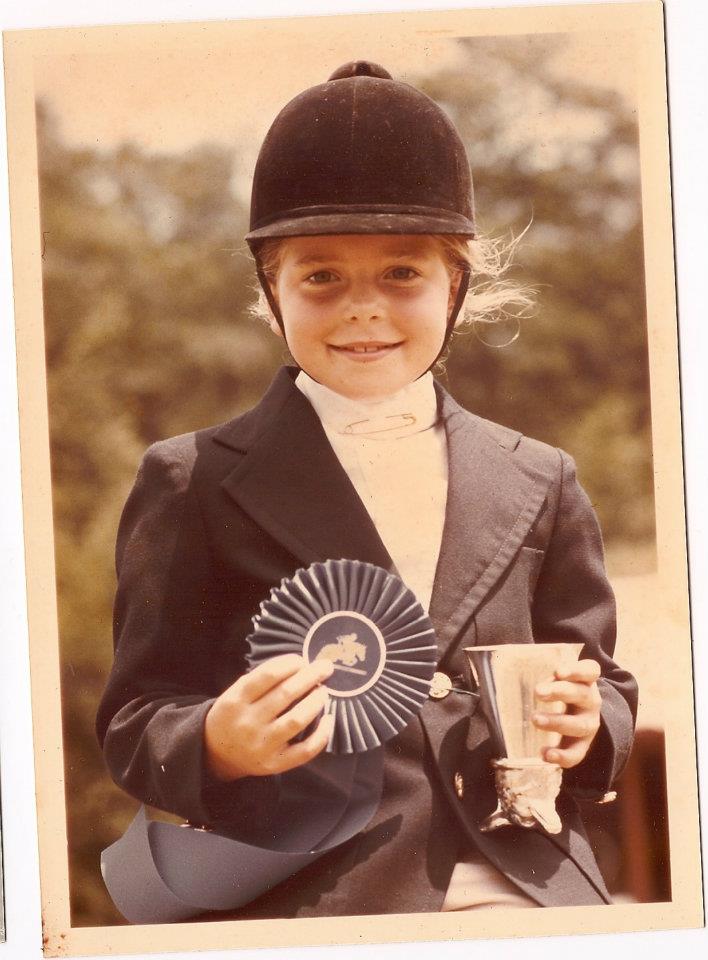
I could ride horses and alpine ski almost before I could walk. At the time this just seemed like a thing we did in Mountain Brook — horses were normal, ski trips were normal, nobody was sitting around analyzing the neurological benefits of proprioceptive input on an undiagnosed neurodivergent child. But vestibular input — the kind you get from moving through space at speed – wiggling, swaying, trotting – from your body having to regulate and balance and respond — is one of the things that genuinely quiets a dysregulated nervous system. None of us had this understanding, this vocabulary. I just knew that being on a horse or on a mountain made something, my mind, calmer. Have you ever felt like you weren’t connected to your body? Like after a huge scare when things sound weird? But someone shakes you or gets you to move and things reconnect. The neurospicy are always looking to reconnect.
Filed under: things that were medicine before medicine had a name for them.
I went to a private elementary school. What I know now that I didn’t know then: they never stopped my learning. When I got ahead, they gave me more. They let me chase what I was interested in, which meant the dopamine system that would later spend decades running in circles got to actually do its job — find a thing, go deep, feel the reward, repeat. I also started soccer there, that will be important.
When I got to public school in 6th grade, I was two to three years ahead in some subjects. I didn’t understand at the time why the classroom felt so wrong all of a sudden. It wasn’t because I had different books, no one really seemed to care. But it didn’t feel the same. The thing that had been keeping me regulated — forward motion, new problems, interest-based learning — had been replaced with a pace that left 60% of my processing completely unoccupied and available to cause chaos.
Public school was my first experience of what it feels like when the accommodations stop.
From kindergarten through college intramurals, I played soccer. Every weekday for years. I didn’t know I needed it. I just knew I needed it. It made me happy. Not as happy as sitting on a horse or screaming down a mountain, but I loved it. It was a place I could feel more normal, even though I was not the best by any means! I had teammates, and friends are not always easy to come by when your social emotional capabilities lag behind those of your peers.
And I will go on record saying that movement isn’t a nice-to-have for most, if not all, neurodivergent people — it’s how the nervous system processes, regulates, and gets ready to do literally anything else. The research on this is solid and it took me 40-something years to read it and go: oh. THAT’S what that was.

And anyone who has had a dog knows that a tired dog is normally a good dog. I giggle, because I was NOT an easy pup, and I can imagine my mom thinking, if we could just run her a little longer, she would be a little more quiet. That daily soccer practice wasn’t just sport. It was the thing that made my days possible. It was a socially acceptable way to serve both my neurodiversity and my weirdness. I didn’t seem as weird on the soccer field.
And then there’s the UAB lab.
My mom helped me get a job at the University of Alabama at Birmingham, in the physiology and biophysics lab. I started washing beakers. I ran the autoclave. And then — because my mom was headed out of town, she needed me to feed & divide her cells. And funny enough, she trusted me to do it– that’s what happens when you put a pattern-recognizing, hyperfocusing AuDHD person in a room full of dopamine options — I ended up doing tissue culture (growing cell lines for experiments). Radioactive effluxes. Soldering computer boards with the IT guy. Even though I was just a kid in an adult environment, I felt quite at home.
What I didn’t fully understand until years later: I was surrounded by neurospicy people. Research labs, especially ones chasing cures, attract a specific kind of brain — the kind that can obsess, that doesn’t mind the tedium because the question is too interesting to abandon, that finds the repetitive technical work satisfying in a way that’s hard to explain to people whose dopamine system works differently. I fit. For maybe the first time in a structured environment, I fit.
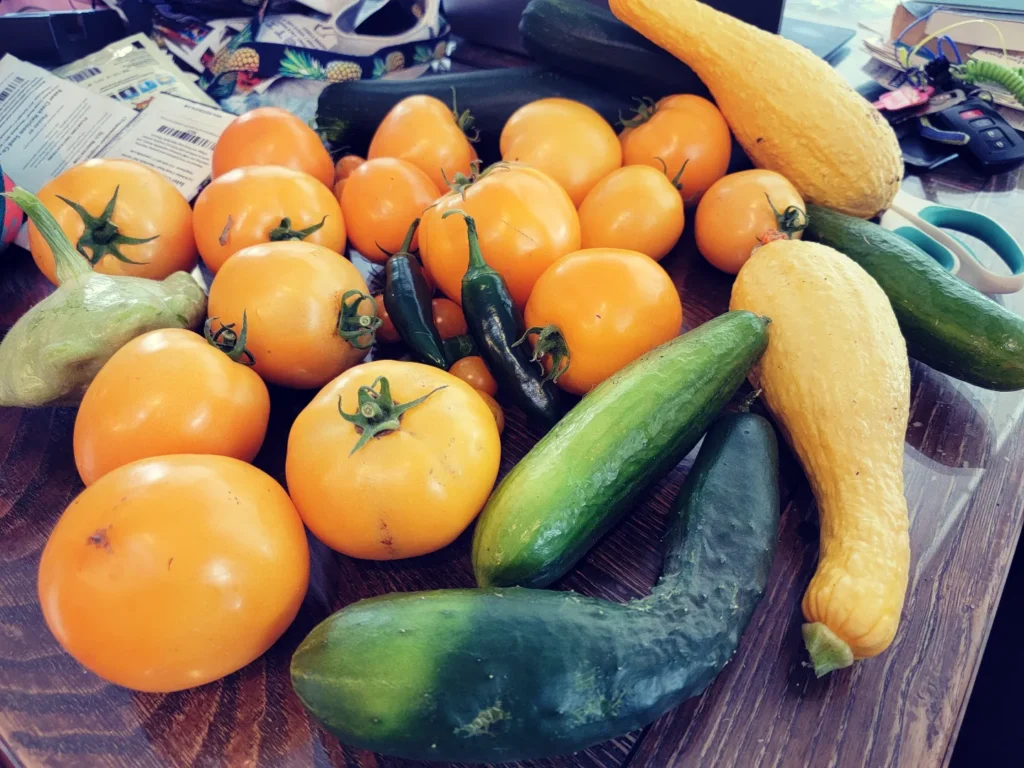
And the tissue culture. (I will put a bonus story after this for those who appreciate a Southern drawl) I keep coming back to the tissue culture. Because looking back, I love to grow things. Vegetables. Flowers. Sales teams. People. Human cells, as it turns out. The connection was there the whole time — I just didn’t have the attention to see it.
Here’s what I want you to take from this, if you’re a parent of a neurospicy kid, or a teacher, or someone who is just now getting a diagnosis and looking back at their own life trying to make sense of the wreckage and the rescue:
The accommodations don’t have to be formal to be real.
Horses and soccer and a teacher that didn’t cap your ceiling and a lab that let you start with beakers and end up with cell cultures — none of that was labeled as support. Nobody filled out a form. Nobody called it differentiated instruction or sensory integration or interest-based learning. No parent was traumatized trying to get their child just a little understanding.
But it was all of those things.
And the difference between the years it worked and the years it didn’t is usually pretty simple: somewhere, somehow, someone gave my brain what it needed. Not because they knew. Just because they did. Most of the people who saved me had no idea they were doing it. I truly believe that those accidental accommodations gave me a more stable beginning than a lot of neurospicy kids get. I think about that a lot. I think about the fact that maybe I didn’t get all of the 10K+ negative comments that so many neurokids do? Who knows.
And we didn’t have cell phones.
What were your accidental accommodations? The ones nobody named, nobody planned, but that somehow kept you here and moving? I’d like to know. And if you want the story of the day my freshman roommate had to decode a phone message from my mom in full Alabama drawl — [Your Mom Called →]